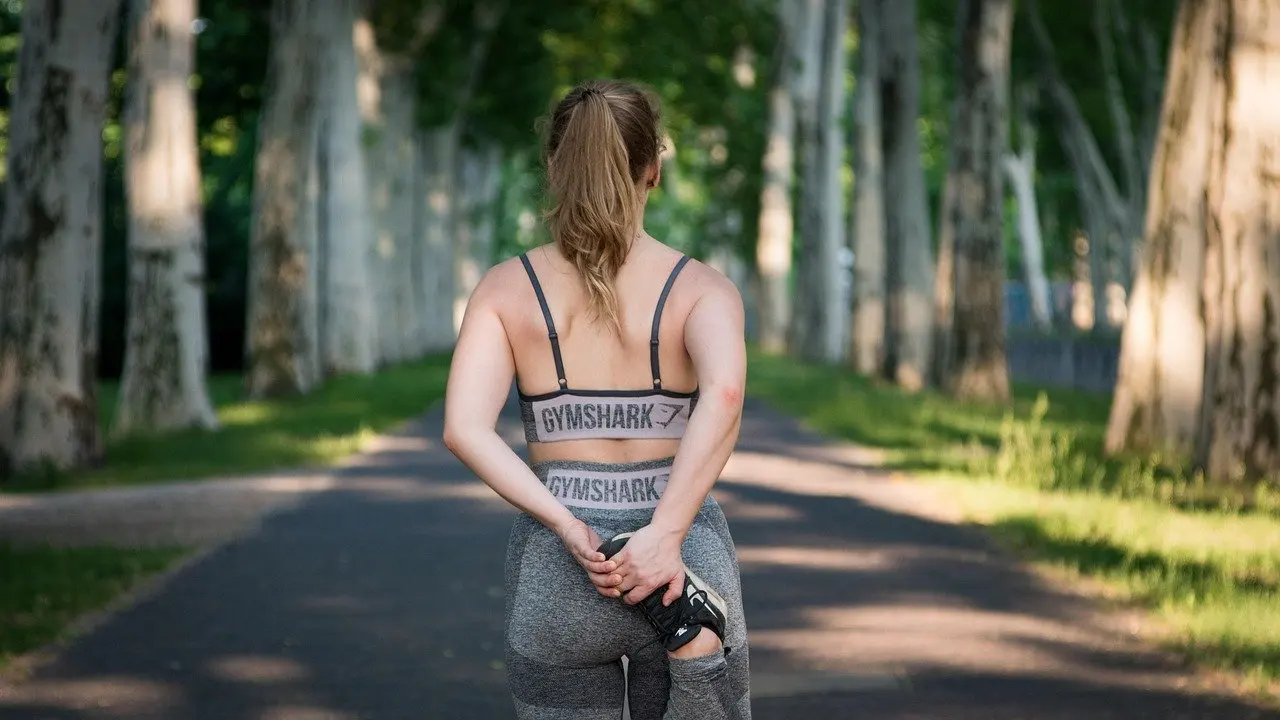
The phrase latestsportsbuzz fitness training points to a reader who wants to connect a sports news brand with practical training. The brand is a sports news and commentary site with the tagline “Experience the Unpredictable in Sports”. This guide covers the task behind the search: turning what you read about athletes and events into a safe, simple training routine of your own.
| Item | Detail |
|---|---|
| Brand | latestsportsbuzz, a sports news and commentary site |
| Task | Build a basic weekly training routine from sports reading |
| What you need | A notebook or notes app, comfortable clothes, a clear goal |
| Core skill | Reading a plan: exercises, repetitions, rest and progression |
| Best starting point | The home page of the site, then your own written plan |
What latestsportsbuzz fitness training means and when you need it
The search latestsportsbuzz fitness training usually means one of two things: you want training ideas that fit the sports stories you follow, or you want to know where the brand stands on fitness. A sports news site is built around events and commentary, so the useful move is to treat its stories as motivation and context, then build the actual routine yourself.
People reach for this task at predictable moments. A major tournament ends and you feel like moving more. A race weekend makes you curious about endurance. A game-day story reminds you that you have not trained in weeks. In each case the story is the spark, and a plan is what keeps you going once the excitement fades.
The home page of the brand’s site is the natural place to begin reading. From there, the work is yours: pick one sport or activity that interests you, decide what physical quality it asks for (stamina, strength, speed, flexibility), and write a short plan around that quality. The steps below show how, in general terms that apply to any beginner.
One note on scope. General training information is not personal medical advice. If you have an injury, a health condition or have been inactive for a long time, a doctor or qualified coach can tell you what is suitable before you start.
The words you will meet in any training plan
Training plans use a small shared vocabulary, and knowing it makes any plan readable. These are the terms you will see most often.
- Warm-up: light movement before the main work, meant to raise your body temperature gradually.
- Repetition (rep): one complete movement of an exercise, such as a single squat.
- Set: a group of repetitions done back to back before resting.
- Rest interval: the pause between sets or efforts.
- Intensity: how hard an effort feels, often described as easy, moderate or hard.
- Progression: making training slightly harder over time, by adding load, reps or distance.
- Cool-down: easy movement and stretching after the main work.
- Recovery day: a day with no hard training, which lets the body adapt.
When a sports story mentions an athlete’s “conditioning block” or “taper”, it is using the same vocabulary at a higher level. A block is a stretch of focused training. A taper is a planned reduction in effort before an event.
A related task: logging a session after you read about one
Keeping a short log is the habit that makes a plan work, and it takes only a couple of minutes. A log shows what you actually did, which is more useful than what you meant to do.
- Open a notebook or notes app and write the date at the top.
- List each exercise you did, with the reps and sets in a single line.
- Note how hard the session felt in one word: easy, moderate or hard.
- Add one line on how you felt afterwards, including any aches.
- Write the next session’s first exercise so you know where to start.
After a few weeks the log becomes your own reference. You can see which days you skip, which exercises feel easier than before and when it is time to progress.
When a step goes wrong
Most problems in a first training routine are small and fixable. The plan stalls, a movement hurts, or motivation drops after a week. Each has a straightforward response.
If a movement causes sharp or lasting pain, stop doing it. Discomfort from effort is different from pain in a joint, and the second calls for rest and, if it persists, professional advice. Swap the exercise for an easier version or a different movement for the same muscle group.
If you miss a session, do not double up the next day to catch up. Pick the plan back up where it would have been and carry on. A missed day costs very little, while cramming two hard days together invites soreness and a longer break.
If a story or video suggests a routine far beyond your level, treat it as entertainment rather than a template. Professional athletes train under coaching, with support staff and years of gradual build-up behind them. Your starting point is the easy end of the vocabulary above.
If motivation fades, shrink the task rather than abandoning it. A short session with a warm-up and two or three exercises still counts, and keeping the habit alive matters more than the size of any single day.
The main steps for latestsportsbuzz fitness training
These steps turn sports reading into a plan you can follow. They work whether the sport you follow is on a pitch, a track or a court.
- Choose a sport that interests you. Read a story on the brand’s home page, or anywhere else, and note which sport or activity you would like to be better at.
- Name the physical quality it needs. Running sports lean on stamina, racquet sports on speed and agility, team games on a mix.
- Set one modest goal. Something like “train three days a week for a month” is clearer than “get fit”.
- Pick a few simple exercises. Choose basic movements such as squats, push-ups, lunges, a brisk walk or jog, and a core exercise.
- Write the weekly schedule. Place training days apart, with recovery days between them.
- Start with a warm-up. Begin every session with light movement, and end with an easy cool-down.
- Do the work at a moderate intensity. You should be able to finish each set with a little effort in reserve.
- Log the session. Use the short routine from earlier so you can see your progress.
- Progress slowly. After a couple of comfortable weeks, add a few reps or a little more time, changing one thing at a time.
Keep the plan on paper or in your phone, not in your head. A written plan survives busy weeks and gives you something to adjust rather than restart.
One common slip with latestsportsbuzz fitness training, and its fix
The most common slip is copying an elite athlete’s routine from a news story and doing too much too soon. The result is usually soreness, a few lost days and a drop in enthusiasm.
The fix is to separate inspiration from instruction. Read the story for what it tells you about the sport, then return to your own plan, which is sized for your current level. If an article describes a demanding programme, pull out only the principle behind it, such as training consistently or protecting recovery days, and apply that principle at a gentle scale.
A second slip is skipping the warm-up because time is short. Keep it, but make it brief: a few minutes of easy movement is enough to prepare for most beginner sessions.
A third is treating the plan as fixed. Training that works for a month may feel too easy in the next, and a busy period may call for less. Review your log every couple of weeks, adjust one variable and carry on. That steady rhythm is what turns a sports-news spark into lasting fitness.