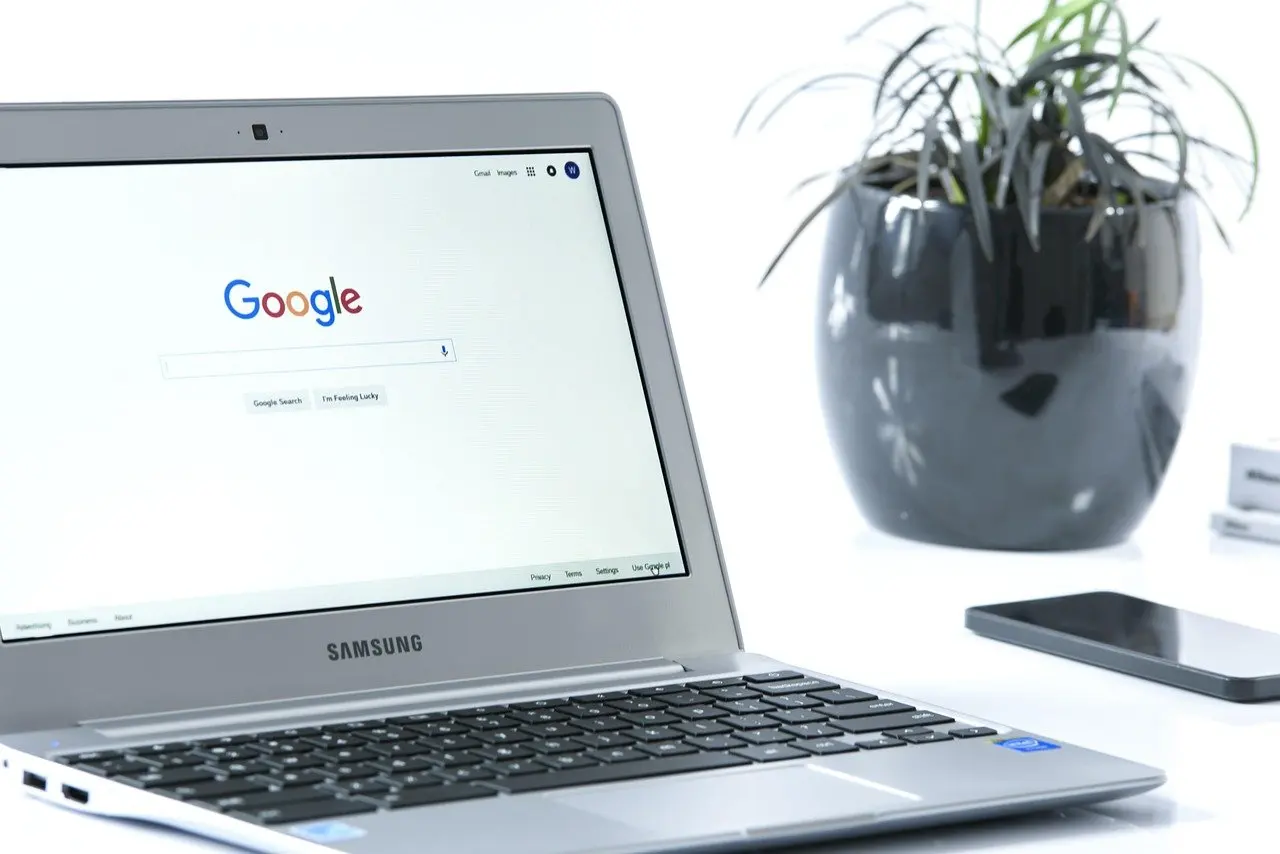
The search “thelaptopadviser educational laptop” points to the education-laptop coverage of The Laptop Adviser, a laptop review and buying-guide site.
| Question | Detail |
|---|---|
| What the brand is | A laptop review and buying-guide site with articles on education, gaming and business laptops |
| Stated mission | To provide comprehensive and unbiased information to help people buy laptops |
| Education coverage | A 2026 guide to education laptops for students and teachers, plus course-specific posts |
| Contact route | A contact page that gives one email address and no phone number or postal address |
What thelaptopadviser shows about educational laptops
The Laptop Adviser presents itself as a laptop review and buying-guide site, and education laptops are one of the three areas its articles cover, next to gaming and business machines. The About page opens with “Welcome to The Laptop Adviser” and states a mission: to provide comprehensive and unbiased information to help people buy laptops.

For anyone typing thelaptopadviser educational laptops or thelaptopadviser education laptops, the relevant material is a 2026 guide to education laptops written for students and teachers. Alongside it sit several posts tied to particular fields of study. They cover aerospace engineering, data analysis, deep learning, cyber security and basic home use.
The About page also describes the people behind the content by role. One is a tech expert who leads laptop testing and reviews, and another is a content writer and researcher. That is why some searchers phrase the query as expert laptop thelaptopadviser: the site frames its reviews as coming from a tester with a named role, rather than from an anonymous feed.
The home page is the natural starting point. Typing the address with or without “www” lands on the same home page, so either form works. If a question comes up that the articles do not answer, the site has a contact page, and it gives one email address: [email protected]. It lists no phone number or postal address.
How shortlisting an education laptop works, step by step
Shortlisting an education laptop works best as a sequence that moves from the coursework to the hardware, never the other way round. A guide such as the one this site publishes for students and teachers fits into that sequence as a reference point, not a replacement for the steps.
The first step is to list the software the course requires. A basic home-use machine for writing and browsing has very different needs from one that must run engineering packages or train a model. Departments often publish minimum specifications, and those should be the floor for every choice that follows.
The second step is to turn that software list into hardware limits. Processor, memory and storage come first, because they are the hardest parts to change later. Graphics matter only if the course uses rendering, simulation or machine learning. Screen size and weight come next, since a laptop that travels to lectures every day needs different trade-offs from one that stays on a desk.
The third step is to read reviews for the shortlisted models. This is where a site such as thelaptopadviser laptops reviews becomes useful: a review explains what a machine does well and where it falls short, using the tester’s own hands-on notes. Read the cons as closely as the pros, and check whether the model reviewed matches the exact configuration on sale.
The fourth step is to set a budget with the full cost in view. That includes a case, a charger, any required software licences and the length of warranty. Many schools and universities also offer student pricing, which is worth asking about before buying.
The final step is to compare two or three finalists on the points that matter for the course, then buy from a retailer with a clear returns policy. A laptop that fails in the first weeks is far easier to swap when the return window is still open.
Matching a laptop to a field of study
The course-specific posts on the site show that “educational laptop” covers very different machines depending on the subject. The topics named in facts make a handy frame for thinking about what each field asks of hardware.
- Aerospace engineering: modelling and simulation tools tend to reward a strong processor, plenty of memory and a capable graphics chip.
- Data analysis: large spreadsheets and datasets favour generous memory and fast storage, while a dedicated graphics chip matters less.
- Deep learning: training models leans heavily on the graphics processor, so graphics capability and cooling become the central questions.
- Cyber security: labs often run virtual machines side by side, which calls for memory, storage space and a processor that handles virtualisation well.
- Basic home use: reliability, battery life and a comfortable keyboard count for more than raw power.
The pattern is that the more specialised the course, the more one component dominates the decision. For deep learning it is graphics. For data work and security labs it is memory and storage. For everyday study it is comfort and endurance.
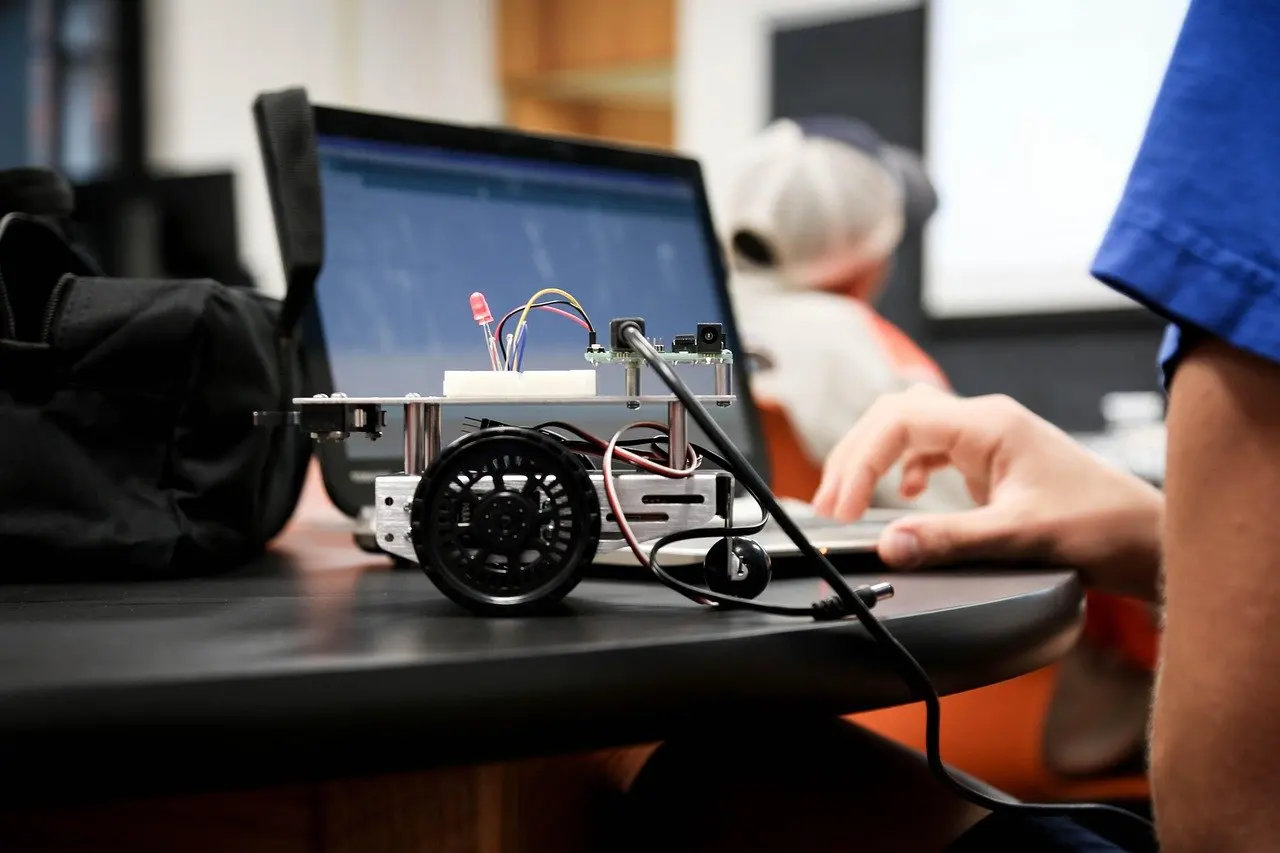
Teachers face a slightly different problem. A classroom machine is used for presentations, marking and video calls, so a bright screen, a dependable webcam and a lightweight body count more than benchmark scores. The 2026 guide for students and teachers on this site is aimed at both groups, which is a reminder that the two lists of priorities do not fully overlap.
Reading thelaptopadviser laptops reviews in a wider context
Any single review site is one input into a laptop decision, and the wider market gives context for how to weigh it. Laptop designs change from year to year, so the age of an article matters. A post written in an earlier year may describe a machine that has since been replaced, even if its advice on how to choose still holds.
Education buyers also work within constraints that general reviewers do not always cover. Schools may require a particular operating system, a managed device programme or a fixed purchase list. A university course may recommend a specification without caring about brand. Checking those rules first prevents buying a machine that cannot be enrolled or supported.
When a site such as this one states a mission of giving comprehensive information, the useful habit is to compare its findings with a second source, such as the manufacturer’s specification sheet or another independent review. Agreement between them raises confidence. Disagreement is a prompt to look closer at the configuration being discussed.
Durability and repair options deserve attention in education settings, because a laptop may be carried daily for several years. Battery wear, keyboard quality and the availability of replacement parts all affect how long a machine stays useful. A longer warranty or an accidental-damage plan can matter more to a student than a small gain in speed.
Finally, a recurring theme of the three coverage areas on the site, education, gaming and business, is that the same specification means different things in different roles. A graphics card that is essential for deep learning is surplus for a student who only writes essays. Starting from the task, not the model name, keeps the search for an educational laptop grounded, whichever review source is consulted.